Restoring the Iwo Jima Monument at Marine Corps Base Quantico
Follow the restoration effort and learn what comes next
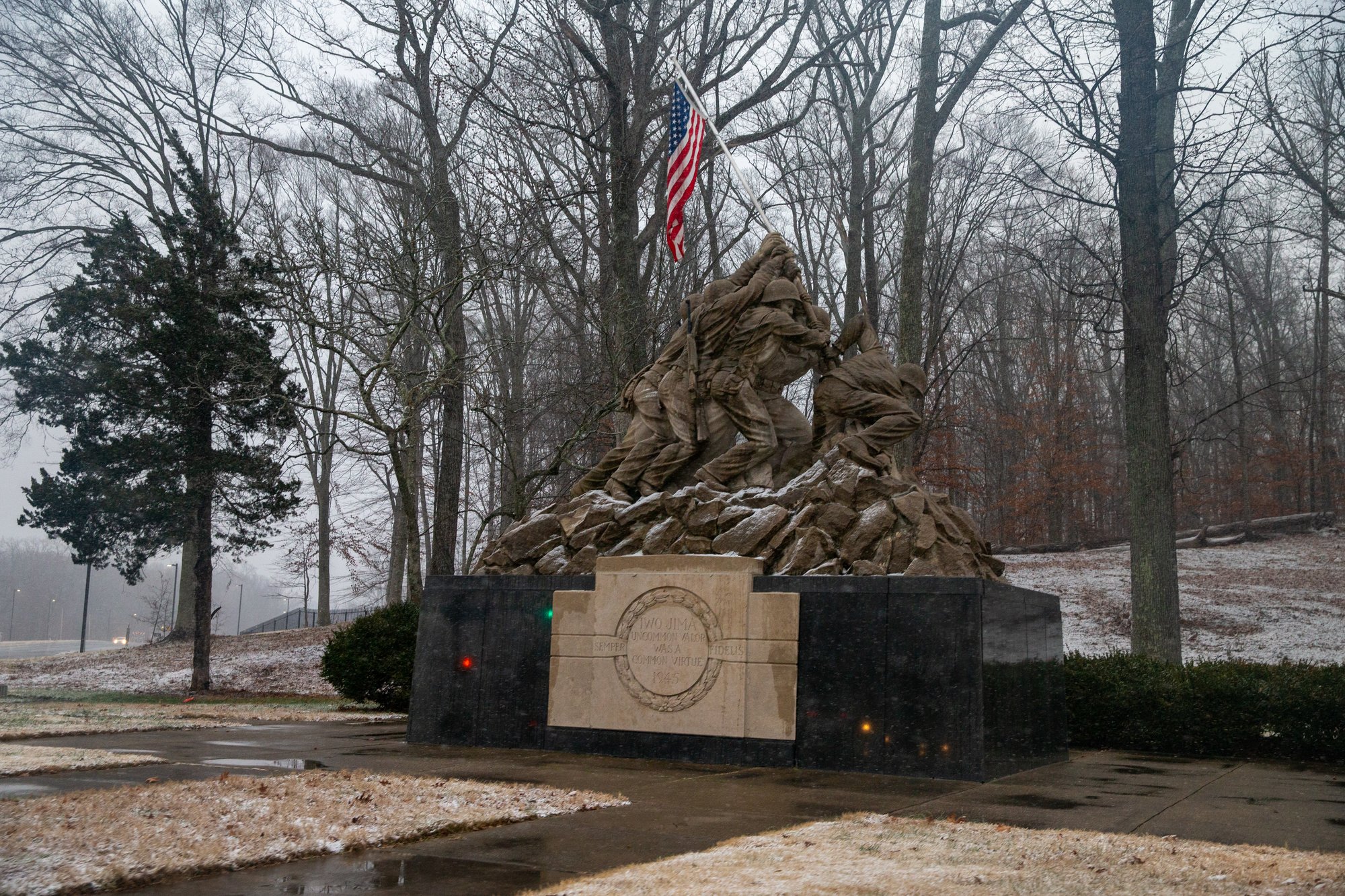
The Iwo Jima Monument at Quantico holds a special place in Marine Corps history and in the lives of those who have passed it over the years. Following the recent damage to the monument, the Marine Corps Heritage Foundation, in collaboration with the National Museum of the Marine Corps and the U.S. Marine Corps, continues to lead fundraising efforts to support its restoration.
All donations will be reserved exclusively for expenses directly related to repairing and restoring the monument. We remain committed to ensuring this monument to one of the most storied moments in Marine Corps history is restored with the care and expertise it deserves.
While the FBI investigation into the incident continues, we are committed to keeping our supporters informed about the restoration effort. This page will serve as a central resource for updates on restoration milestones, information about the work involved, and opportunities to support the effort to preserve this important piece of Marine Corps heritage for future generations.
Current stage: Assessment and restoration planning
Latest update: Early November 2026
Completion date: To be determined through assessment and planning
What Happened to the Monument
On October 21, 2026, the historic Iwo Jima monument outside Marine Corps Base Quantico’s Main Gate was severely damaged in an act of vandalism. The damage included the loss of a figure’s head and damage to other portions of the limestone sculpture. The Marine Corps Heritage Foundation is raising funds to support its restoration, giving Marines, veterans, families, and supporters a constructive way to help preserve this important piece of Marine Corps history.
Why the Monument Matters
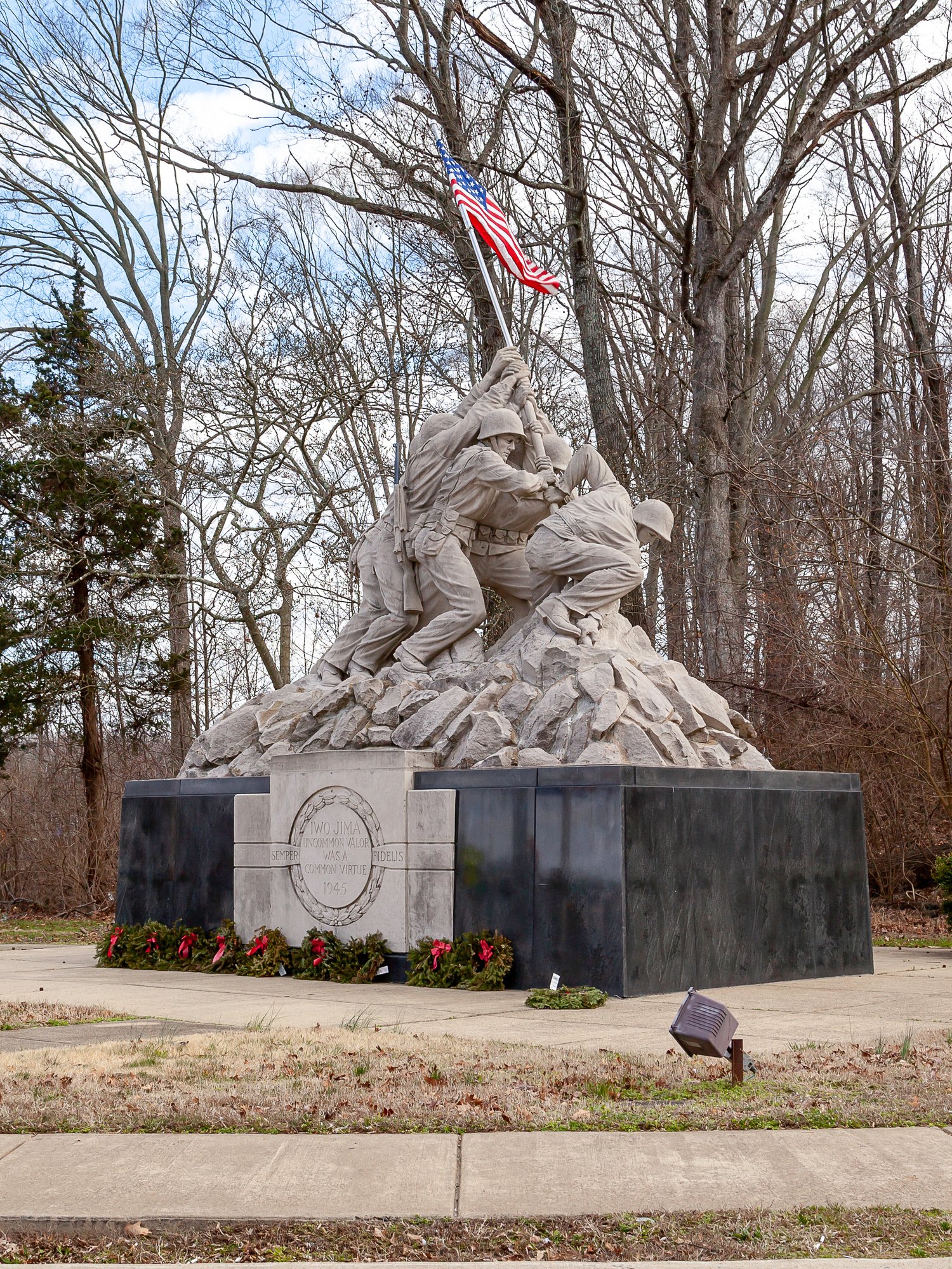
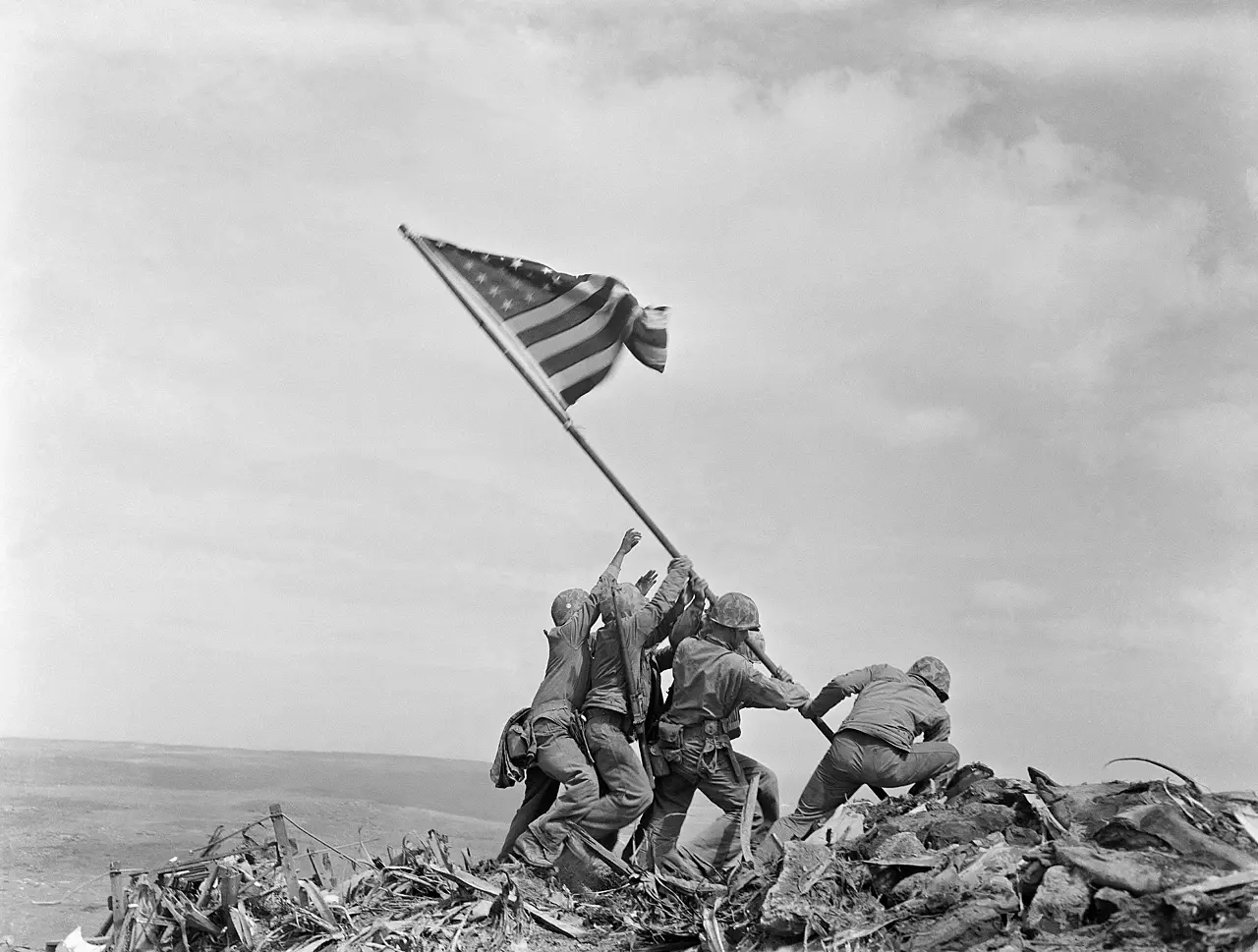
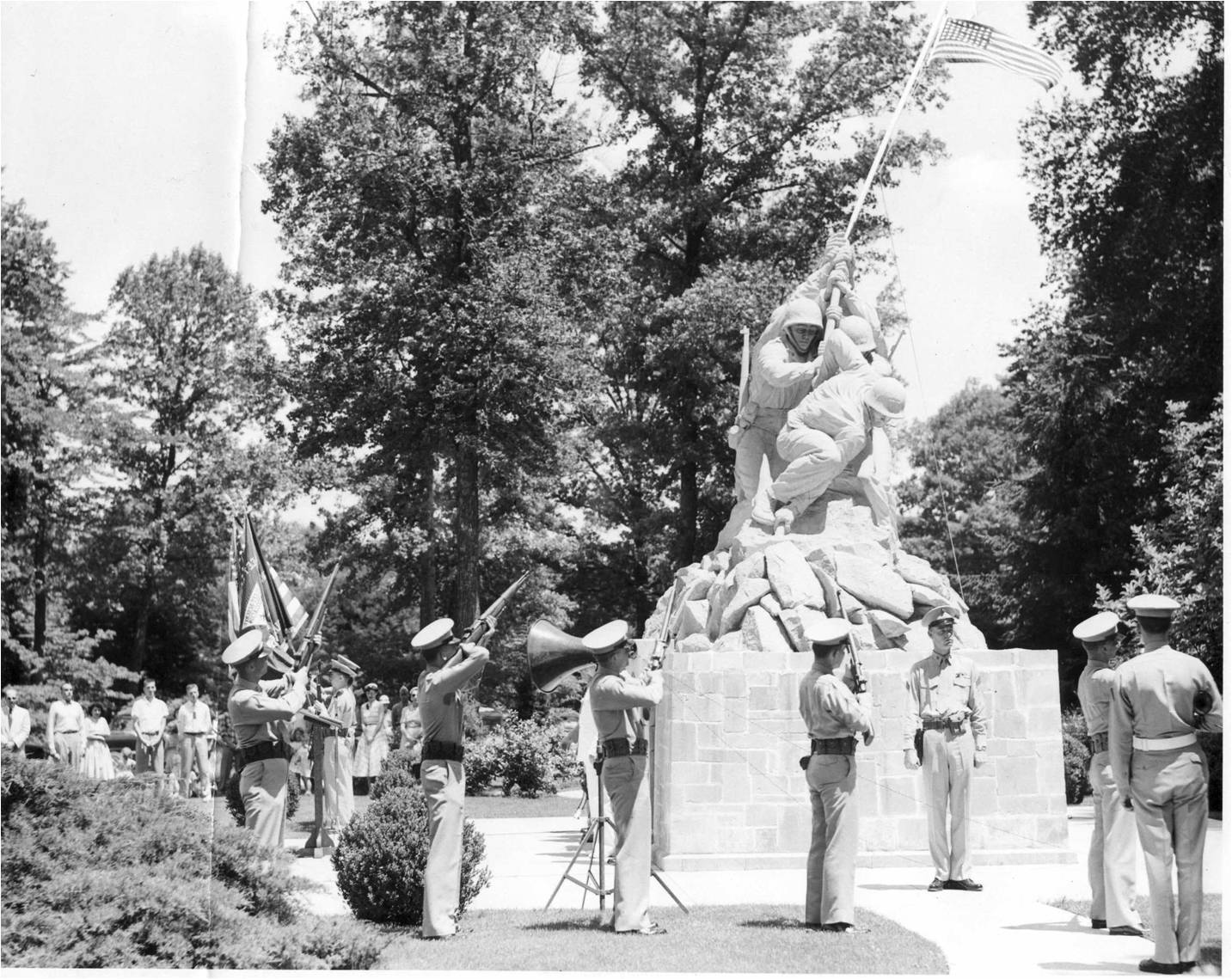
Created by sculptor Felix de Weldon, the Quantico monument depicts the American flag raising atop Mount Suribachi during the Battle of Iwo Jima on February 23, 1945. Dedicated at Quantico’s main entrance in 1951, it has connected generations of Marines, families, and visitors with a defining moment in Marine Corps history. Preserving this sculpture protects a place of remembrance and helps future generations understand the service, sacrifice, and determination represented by that moment.
Where We Are Now in the Process
The full scope of restoration is being assessed to determine the appropriate treatment, specialist expertise, materials, and resources required. This planning will guide decisions about preserving original stone, addressing damaged areas, and developing a realistic schedule. A completion date has not been confirmed, and winter conditions may influence when certain repairs can proceed. We will share updates here as restoration plans, required approvals, and milestones are confirmed. Funds are still needed to support the effort.
The Path Toward Restoration
The following stages explain the general process. The final approach and sequence will depend on the monument’s condition and the required approvals.
Assess and document
Specialists examine and record the damage, assess stability, and evaluate surviving fragments and surrounding stone. This creates the foundation for treatment decisions.
Develop the treatment plan and estimates
The team determines which repairs are appropriate and identifies the materials, specialist skills, and resources required. Potential treatments may include reattaching suitable fragments or carefully fitting replacement stone where necessary.
Confirm approvals and prepare for treatment
The proposed work must be coordinated with the responsible authorities. Preparation may include evaluating repair samples, matching stone, arranging site access, and planning for weather protection.
Complete the restoration
Qualified specialists carry out the approved treatment. The goal is to preserve original material wherever feasible and make repairs compatible with the existing sculpture.
Review and plan for continued care
Completed work is reviewed and documented. Continued inspection and maintenance help protect the monument over time.
These stages describe general conservation practice; they do not represent a finalized treatment plan for the Quantico monument.
Why careful restoration takes time
Historic stone restoration involves decisions that affect both the sculpture’s appearance and its long-term preservation.
Assessment, treatment planning, estimates, approvals, material matching, specialist availability, and curing can all influence the schedule. Some work may happen before visitors see a visible change at the site.
A process involving replacement carving or seasonal delays could extend over months. That is a general planning consideration, not an announced project duration. A completion date will be shared once the scope and schedule are confirmed.
How winter may affect the work
Winter introduces two considerations: protecting the existing stone and providing suitable conditions for repairs.
Water can enter porous stone and cracks. When that water freezes and expands, repeated freeze–thaw cycles can widen cracks and cause pieces of stone to break away. Conservation guidance documents this type of deterioration in limestone. The monument’s assessment will determine which conditions require attention here.
Cold and wet weather can also affect repair installation and curing. Some treatments require dry conditions and protection from freezing while materials develop strength. Depending on the selected methods, specialists may recommend protective measures or waiting for a suitable weather window.
Weather-related pauses may therefore be part of a responsible restoration schedule. We will explain any confirmed seasonal effects as planning progresses.
Why the Marine Corps Heritage Foundation is involved
The Marine Corps Heritage Foundation is the nonprofit partner supporting the National Museum of the Marine Corps. Preserving and sharing Marine Corps history is central to our mission, and we are committed to helping ensure this important symbol of Marine Corps heritage is restored for future generations.
The Foundation is working closely with the United States Marine Corps to coordinate restoration efforts, with the intent of gifting the completed restoration to the Marine Corps. This collaborative effort will involve the necessary planning, assessments, and approvals to ensure the memorial is restored with the care and respect it deserves.
All donations made to this campaign are restricted exclusively to the restoration of the Iwo Jima Memorial. Funds raised will be designated solely for this purpose and will support the restoration effort in coordination with the Marine Corps, subject to the required planning and approvals.
How you can help
Give through the official campaign. Funds are still needed to support the restoration effort.
Share this page. Help others find reliable information about the project and its progress.